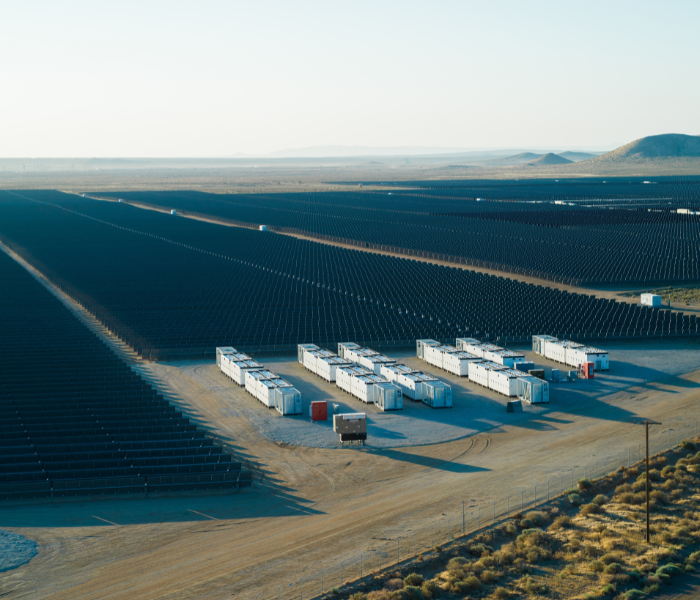
The rapid expansion of battery energy storage systems (BESS) in Australia is central to integrating renewable energy and maintaining a reliable electricity supply for our communities. However, these systems introduce unique hazards; BESS incidents can exhibit complex fire behaviour and pose challenges for suppression and emergency response. This issue has increased regulatory scrutiny and community concern surrounding BESS safety.
State Code 27 and BESS Planning Requirements
State planning approval processes now require detailed hazard identification and early consideration of how risks are addressed through design and operational measures. This is reflected in recent regulatory changes in Queensland, with the introduction of a dedicated framework under the State Development Assessment Provisions (SDAP) for assessing BESS projects: State Code 27: Battery storage facility development. Within this framework, the primary mechanism for demonstrating that those risks are appropriately considered and tolerable is the Risk Management Assessment Report (RMAR).
RMAR: Demonstrating Risk Tolerability
The purpose of the RMAR is to demonstrate that the development “avoids and/or appropriately integrates risk mitigation strategies and responsive design measures to address potential fire hazards, and other environmental risks, ensuring long-term safety and resilience for people, surrounding land uses and the environment”.
The assessment should be supported by technology‑specific data and site‑specific considerations (e.g. natural hazards), and informed by relevant standards, industry guidance, and lessons from historical incidents. The key elements of the RMAR are:
- A systematic identification of hazards
- An assessment of the potential consequences of incidents that may occur
- Development of control measures to prevent or mitigate the hazards
- A risk assessment and demonstration that any residual risks are tolerable
Hazard Assessment Elements and Development Approval Implications (State Code 27)
State Code 27 (SC27) effectively integrates major hazard risk management principles into the planning process for grid-scale BESS. The areas noted below are of particular focus:
Hazard Identification and Risk Analysis
All plausible BESS hazards (e.g. battery thermal runaway, toxic gas release, explosion) must be identified early and analysed for potential off-site impacts. Developers must prepare an RMAR to present these findings and demonstrate compliance with SC27’s risk benchmarks.
Consequence Modelling & Site Layout Design
SC27 encourages the use of BESS-specific large-scale fire-testing data and modelling to estimate heat flux, blast, smoke dispersion, etc. This analysis informs site planning – e.g. ensuring sufficient separation distances and fire buffers to avoid unacceptable impacts on adjacent land uses. The DA must show that credible worst-case events remain contained within the site or within acceptable risk levels.
Fire Protection & Mitigation Measures
Proposals must detail how fires and explosions will be prevented or controlled. Typical measures include fire detection and suppression systems, explosion venting/mitigation, battery management systems, and robust thermal barriers. These are often outlined in a Preliminary Fire Safety Study supporting the DA and may be reinforced through conditions requiring final design approvals by authorities.
SC27 requires planning for efficient emergency service access and response. Developers must demonstrate that the BESS design incorporates emergency vehicle access routes, firefighting water supply, and on-site emergency procedures. Coordination with fire authorities (e.g., QFES) is expected, and a formal Emergency Management Plan is typically conditioned as part of the approval to ensure readiness for incidents.
Supporting Developers Through the Approval Process
R4Risk supports BESS developments through hazard identification, consequence assessment and risk assessments for planning approvals. Get in touch to learn how we can support your next project.