For facilities that store or handle flammable and combustible materials, fire protection is a critical safeguard for people, the environment, and business continuity. A single fire incident can result in injuries, fatalities, environmental harm, major asset loss and extended production downtime.
Many facilities have extensive fire protection measures, from detection and alarm systems to hydrants, foam systems, firewater supplies and emergency response arrangements. However, an important question often remains unanswered: Will these systems perform when they are needed?
Compliance with design standards is important, but compliance alone does not necessarily demonstrate that fire protection systems can effectively manage a facility’s most significant fire hazards.
What Does “Fit For Purpose” Mean?
Determining whether a fire protection system is ‘fit for purpose’ requires more than confirming equipment has been installed or maintained in accordance with applicable standards. To establish whether fire protection measures are aligned with the site’s actual hazard and risk profile, organisations should understand:
- What credible fire scenarios could occur at the facility
- How quickly could those scenarios escalate
- What role is each fire protection system expected to perform?
- Can the system deliver the required performance under realistic conditions?
- What are the consequences if the system does not perform as intended?
Understanding Fire System Performance
Effectiveness of fire protection systems depends on both the design basis and the conditions under which they are expected to operate. For example:
- Will detection systems identify a fire early enough to support timely response?
- Is the available firewater supply sufficient for the expected duration of an incident?
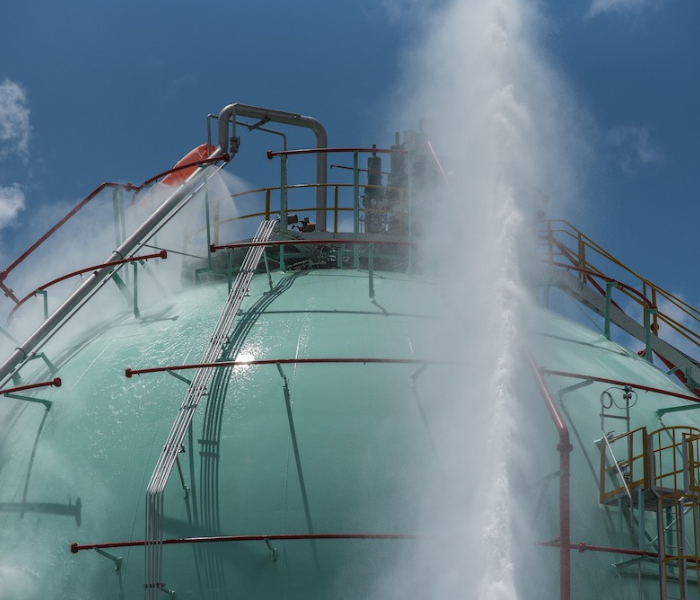
- Can foam systems achieve the required application rates and coverage?
- Can personnel safely access the area and implement emergency response measures?
Understanding these performance requirements helps organisations identify both the capabilities and limitations of their fire protection systems. While these systems can significantly reduce risk, they are typically designed to manage defined fire scenarios and support safe intervention, rather than fully manage major incidents or worst-case events. Understanding those design limits is a key part of effective risk management.
Supporting Better Risk-Based Decisions?
Fire Safety Studies provide a structured framework for evaluating fire hazards, potential consequences and the adequacy of safeguards. By examining credible fire scenarios and the role of fire protection systems in managing those scenarios, they help organisations determine whether existing fire safety measures are sufficient and where improvements may be required.
Supporting assessments, including Fire Risk Assessment workshops, Major Hazard Facility risk assessments and developing Pre-Incident plans can further inform the analysis by improving understanding of facility-specific hazards, escalation potential and risk drivers.
Through these assessments gaps in existing safeguards can be identified and improvements prioritised where they will deliver the greatest reduction in risk. Recommendations may include:
- Upgrades to firewater and foam systems
- Improved detection and alarm capability
- Additional isolation measures
- Operational improvements, including emergency response enhancements
- Improvements to dangerous goods storage and handling arrangements.
Unsure Whether Your Fire Protection Systems Are Fit For Purpose?
R4Risk has extensive experience delivering Fire Safety Studies, Fire Safety Management Plans and Pre-Incident plans, consequence modelling, Major Hazard Facility risk assessments and fire protection system reviews across a wide range of industries. Our assessments help organisations understand whether existing fire protection systems can manage credible fire scenarios and where improvements may be required to reduce risk.