Process safety training plays a critical role in preventing major incidents in industries that handle hazardous materials, high-pressure systems, or complex chemical processes. Yet many organisations still misunderstand what it involves, who needs it and when it becomes essential.
This guide explains what process safety training is, why it matters and which roles and industries benefit most from it.
What Is Process Safety?
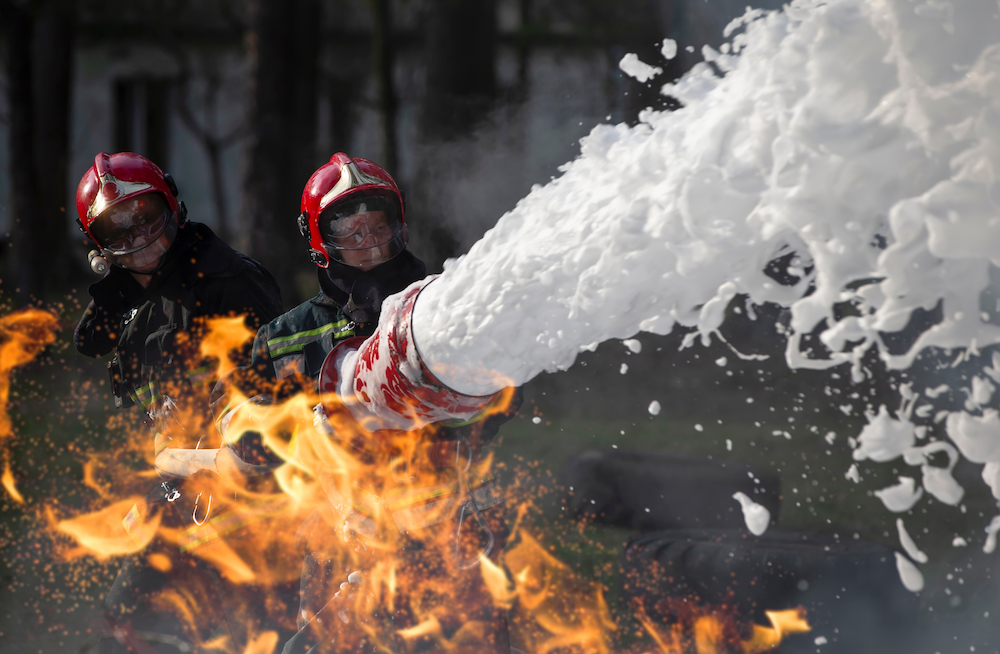
Process safety focuses on preventing catastrophic incidents such as explosions, fires, toxic releases and major equipment failures. Unlike general workplace safety, which deals with slips, trips and day-to-day hazards, process safety addresses low-frequency but high-consequence events.
These incidents often stem from failures in systems, procedures, design, or risk management rather than individual worker behaviour.
Industries that typically require strong process safety management include:
Oil and gas
Chemical manufacturing
Mining and resources
Energy and utilities
Dangerous goods storage and handling
Major Hazard Facilities (MHFs)
Because the consequences of failure can be severe (both for people and the environment) organisations must ensure staff understand how to identify, assess and control process risks effectively.
What Is Process Safety Training?
Process safety training equips engineers, safety professionals and operational teams with the knowledge required to manage complex industrial risks.
Training typically covers:
Hazard identification techniques
Risk assessment methodologies
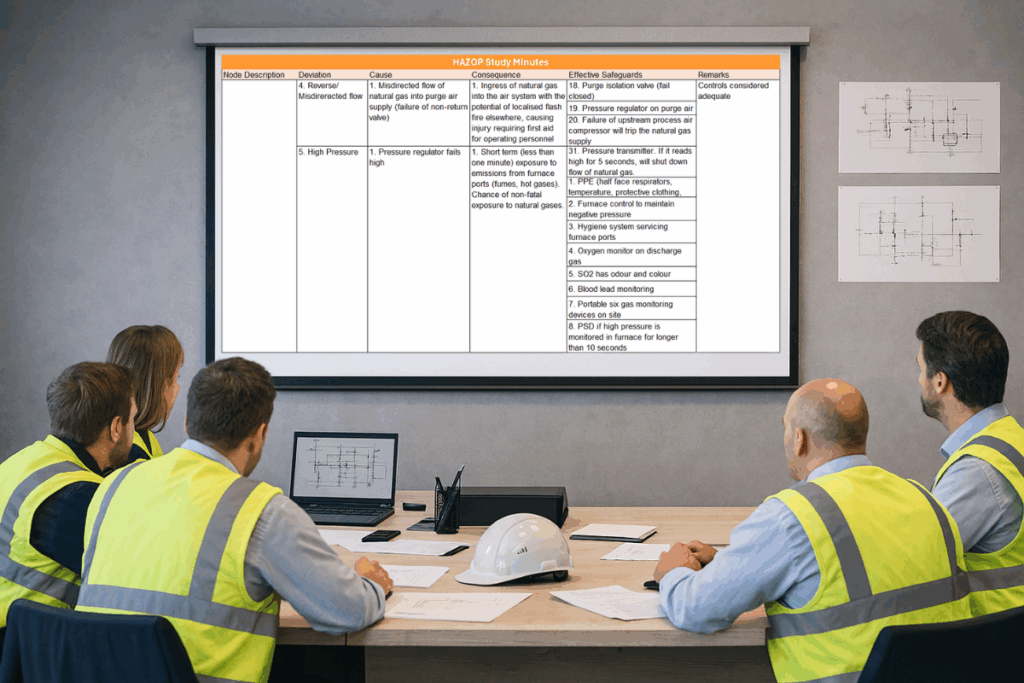
HAZOP and LOPA fundamentals
Safety integrity levels (SIL)
Incident prevention strategies
Regulatory obligations
Process safety management systems
Lessons from major industry incidents
The aim is not simply compliance. Effective training helps organisations build the internal capability to identify risks early and prevent major incidents before they occur.
Why Process Safety Training Matters
Many major industrial accidents have occurred despite organisations having safety systems in place. In many cases, investigations reveal gaps in understanding, communication or risk assessment capability.
Process safety training helps organisations:
Reduce the likelihood of catastrophic incidents
Strengthen risk management decision-making
Improve compliance with regulatory expectations
Support safer design and operational practices
Develop internal expertise
Protect people, assets, and reputation
For facilities handling hazardous materials or operating complex processes, this type of training is not optional – it is a fundamental part of responsible operation.
Who Needs Process Safety Training?
Process safety training is relevant to a wide range of roles, not just safety specialists.
Engineers and Technical Staff
Process, chemical, mechanical, and electrical engineers benefit from understanding hazard analysis, risk assessment, and safety design principles.
Safety and Risk Professionals
Those responsible for safety management systems require deeper knowledge of technical process safety studies, such as HAZOP, LOPA and SIL assessment.
Operations and Maintenance Teams
Supervisors and technical operators play a key role in identifying abnormal situations and maintaining safe systems.
Project and Design Teams
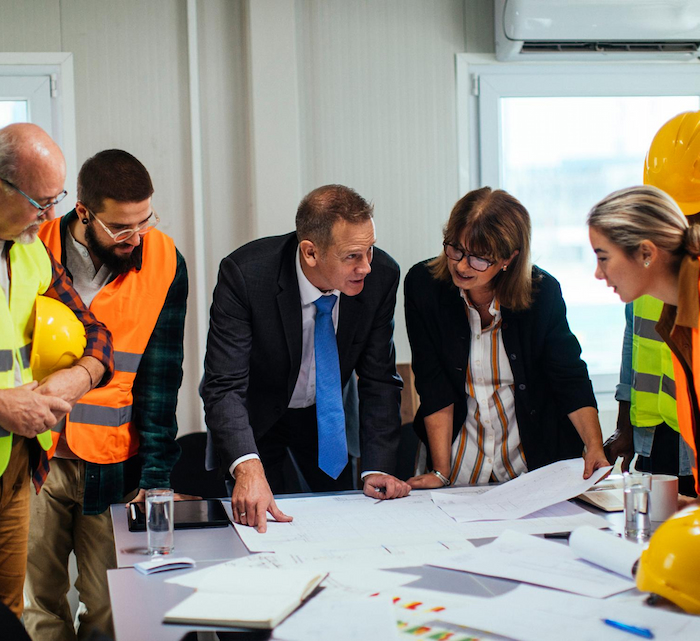
Process safety should be embedded early in project design to avoid costly changes later.
Managers and Decision-Makers
Leaders responsible for high-risk facilities need to understand risk tolerability, regulatory expectations, and major hazard prevention.
When Should an Organisation Invest in Training?
Organisations typically seek process safety training when:
Operating or planning a major hazard facility
Introducing new processes or plant
Expanding into hazardous materials handling
Responding to regulatory requirements
Strengthening internal capability
Following incidents or near misses
Supporting risk studies such as HAZOP or QRA
Training can be delivered as open courses or tailored in-house sessions aligned with specific facility risks and operations.
What Should Good Training Include?
Effective process safety training should be practical and relevant to real-world operations. It should go beyond theory and include:
Case studies from real incidents
Practical risk assessment exercises
Industry-specific scenarios
Discussion of regulatory expectations
Opportunities for questions and application
The most valuable training helps participants apply concepts directly to their own facilities and roles.
Building Long-Term Capability
Process safety is not a one-off exercise. Organisations that manage high-hazard operations benefit from ongoing training and professional development to maintain and strengthen internal expertise.
A structured approach to training supports:
Continuous improvement
Better risk awareness
Stronger safety culture
More effective risk studies
Improved decision-making
Over time, this leads to safer, more resilient operations.
Final Thoughts
Process safety training is essential for organisations operating in high-risk environments. It supports safer design, better risk management, and stronger compliance with industry expectations.
Whether delivered as introductory training or advanced technical courses, investing in process safety capability helps organisations reduce risk and protect their people, assets and reputation.
About R4Risk
R4Risk provides specialised process safety and risk engineering training for organisations across high-hazard industries. Courses can be delivered publicly or tailored in-house to suit specific operational requirements.
To learn more about available training or discuss your organisation’s needs, visit the R4Risk website or contact the team directly.