In high-hazard industries, understanding how much risk reduction is required to prevent major incidents is critical. This is where a SIL determination (often referred to as a SIL assessment) plays a key role.
If you’ve come across the term and wondered what it actually means, and whether your facility needs one, this guide breaks it down in a clear and practical way.
What is a SIL Assessment?
A SIL assessment (Safety Integrity Level assessment) is a structured process used to determine the level of risk reduction required from a safety system.
At its core, SIL is a measure of how reliable a safety function needs to be to reduce risk to an acceptable level. It is defined within international functional safety standards such as IEC 61508 and IEC 61511.
A SIL assessment answers a critical question:
How reliable does this system need to be to prevent a major incident?
What Does “SIL” Actually Mean?
SIL stands for Safety Integrity Level.
It represents the performance required of a safety function, typically expressed in terms of the probability that the system will fail when it is called on to function.
There are four SIL levels:
- SIL 1 – Lowest level of risk reduction
- SIL 2 – Moderate risk reduction
- SIL 3 – High level of risk reduction
- SIL 4 – Very high (rare in most industries)
Each level corresponds to how much risk the must be reduced. The higher the SIL number, the more reliable and robust the safety system must be.
What is Being Assessed in a SIL Assessment?
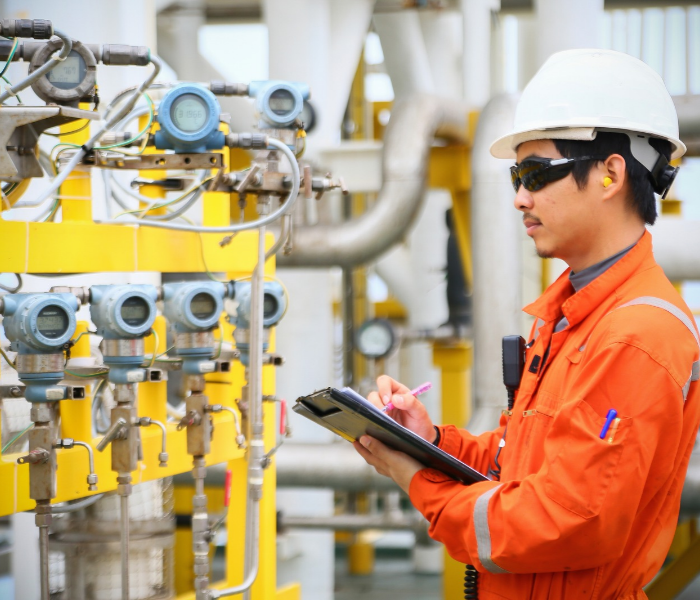
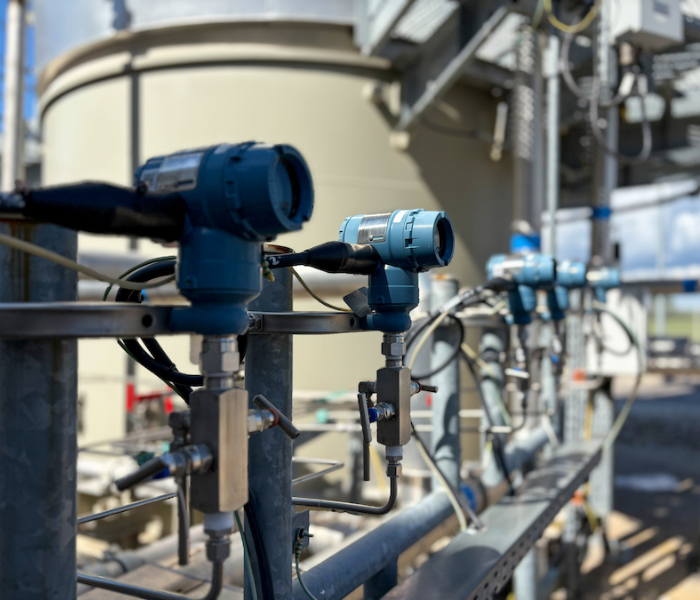
A SIL assessment focuses on safety instrumented functions (SIFs) — systems designed to automatically prevent or mitigate hazardous events.
Examples include:
- Emergency shutdown systems
- Pressure relief or trip systems
- Gas detection and shutdown systems
- Burner management systems
Importantly, SIL is not assigned to a piece of equipment, but to the specific safety function it performs.
Why is a SIL Assessment Important?
In high-risk industries, hazards cannot always be eliminated entirely. Instead, they must be controlled to a tolerable level.
A SIL assessment helps organisations:
- Determine the required level of protection
- Ensure safety systems are fit for purpose
- Avoid both under-designing (unsafe) and over-designing (unnecessary cost)
- Support compliance with functional safety standards
- Reduce the likelihood of major incidents
Without a SIL assessment, it is difficult to justify whether a safety system provides sufficient protection.
How is a SIL Assessment Carried Out?
A SIL assessment is typically performed as part of a broader risk study and involves a structured evaluation of hazards and safeguards.
While approaches may vary, the process generally includes:
1. Hazard Identification
Identifying credible hazardous scenarios within the process.
2. Risk Analysis
Assessing the likelihood and consequences of those hazards occurring without protection.
3. Determining Tolerable Risk
Defining what level of risk is considered tolerable for the organisation.
4. Calculating Required Risk Reduction
Comparing the current risk level to the tolerability criteria level.
5. Assigning a SIL Target
Determining the SIL required to achieve the required risk reduction.
Common methods used include:
- Risk matrices
- Risk graphs
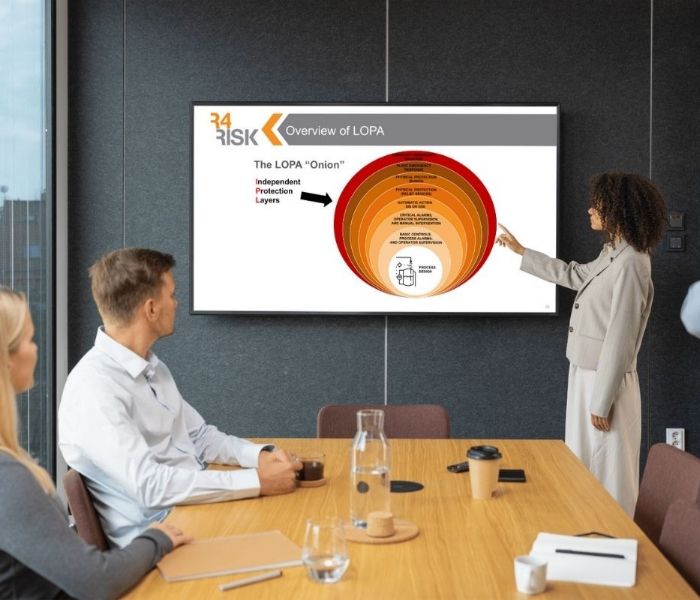
- Layers of Protection Analysis (LOPA)
SIL Assessment vs SIL Verification – What’s the Difference?
This is a common point of confusion.
- SIL Assessment determines the required level of safety performance
- SIL Verification checks whether the design actually meets that requirement
In simple terms:
Assessment = “What do we need?”
Verification = “Have we achieved it?”
Both are essential parts of the functional safety lifecycle.
When Do You Need a SIL Assessment?
Organisations typically require a SIL assessment when:
- Designing a new facility or process
- Introducing safety instrumented systems
- Modifying existing plant or operations
- Conducting risk studies such as HAZOP or QRA
- Responding to regulatory or compliance requirements
Industries where SIL assessments are commonly used include:
- Oil and gas
- Chemical processing
- Energy and utilities
- Mining and resources
- Major Hazard Facilities
What Happens After a SIL Assessment?
Once a SIL target has been defined, the next steps involve designing or validating safety systems to satisfy that requirement.
This may include:
- Specifying Safety Instrumented Systems (SIS)
- Selecting appropriate sensors, logic solvers and final elements
- Performing SIL verification calculations
- Implementing testing and maintenance strategies
The SIL assessment effectively sets the performance target that the safety system must achieve.
Common Misconceptions About SIL
“Higher SIL is always better”
Not necessarily. Higher SIL levels increase cost and complexity. The goal is to achieve appropriate risk reduction — not maximum.
“SIL applies to equipment”
SIL applies to functions, not individual components.
“SIL is just a compliance exercise”
A well-executed SIL assessment is a critical risk management tool, not just paperwork.
Final Thoughts
A SIL assessment is a fundamental part of managing risk in high-hazard industries. It provides a structured way to determine the degree of protection that is required to prevent major incidents.
By defining clear safety performance targets, organisations can design systems that are both effective and efficient — helping protect people, assets, and the environment.
About R4Risk
R4Risk provides specialised SIL assessment, HAZOP, and Quantitative Risk Assessment services for organisations operating in high-hazard industries.
Their team supports clients across the full risk lifecycle — from hazard identification through to safety system design and verification.
To learn more about SIL assessments or discuss your project requirements, visit the R4Risk website or contact our team directly.